Blog
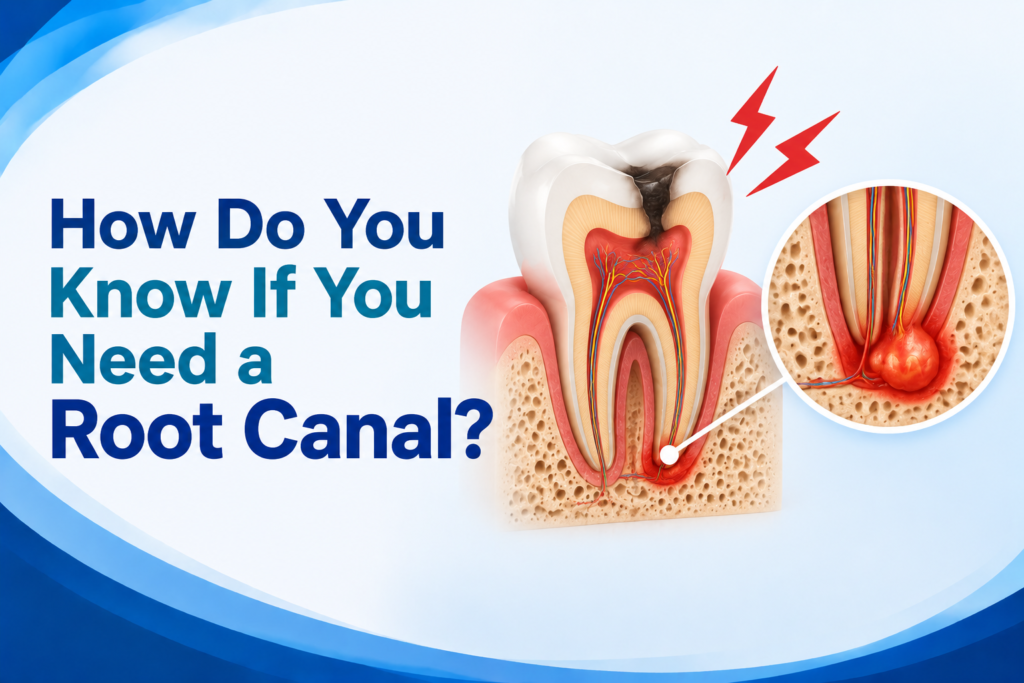
How Do You Know If You Need a Root Canal?
A toothache can be difficult to ignore, especially when it affects your daily routine. While some dental discomfort may go away with proper care, certain types of pain can point to a more serious problem inside the tooth. One of the most common treatments for severe tooth damage or infection is a root canal. However, many people are unsure about the warning signs and often delay treatment until the pain becomes unbearable.
Understanding when a root canal may be necessary can help you seek treatment before the condition worsens. Saving your natural tooth is almost always the preferred option, and timely care plays an important role in making that possible. If you notice persistent pain, swelling, or unusual sensitivity, it is important to have your tooth examined by a dental professional.
What Is a Root Canal?
A root canal is a dental procedure that removes infected or damaged tissue from inside the tooth. Every tooth contains a soft inner layer called the pulp, which holds nerves, blood vessels, and connective tissue. When the pulp becomes infected because of deep decay, repeated dental procedures, or a crack in the tooth, it cannot heal on its own.
During root canal treatment, the infected pulp is carefully removed, the inside of the tooth is cleaned and disinfected, and the space is sealed to prevent future infection. In many cases, a dental crown is placed afterward to restore strength and protect the treated tooth.
Contrary to common belief, modern root canal treatment is designed to relieve pain rather than cause it. With current techniques and local anesthesia, most patients find the procedure similar in comfort to receiving a dental filling.
Read more : How Long Does Root Canal Treatment Take?
Why Would You Need a Root Canal?
Several dental problems can damage the pulp inside a tooth. When bacteria reach the inner part of the tooth, infection develops and may continue spreading if left untreated.
Some of the most common causes include:
- Deep tooth decay that reaches the pulp
- A cracked or fractured tooth
- A tooth that has experienced repeated dental procedures
- Trauma from an accident or sports injury
- Severe gum disease affecting the tooth structure
Not every damaged tooth requires a root canal, but once the pulp becomes infected, the condition usually cannot improve without professional treatment.
Common Signs You May Need a Root Canal
Recognizing the symptoms early can help prevent more serious complications. While only a dentist can confirm whether a root canal is necessary, several warning signs should never be ignored.
Persistent Tooth Pain
One of the most common symptoms is ongoing tooth pain that does not disappear. The discomfort may come and go, but it often returns and becomes more intense over time.
The pain may occur while eating, speaking, or even when the tooth is not being used. Some people notice the pain spreading to the jaw, ear, or nearby teeth, making it difficult to identify the exact source.
Persistent pain usually indicates that the nerve inside the tooth is irritated or infected and requires professional evaluation.
Sensitivity to Hot and Cold Foods
Temporary sensitivity after eating something cold or drinking a hot beverage is fairly common. However, sensitivity that continues for several minutes after the temperature has changed may signal damage to the tooth’s pulp.
If sipping coffee or eating ice cream causes lingering discomfort instead of a brief reaction, it is important to schedule a dental examination. Long-lasting sensitivity often suggests that the nerve inside the tooth has been affected.
Pain While Chewing
A tooth that hurts when you bite down or chew food may have inflammation or infection inside its root.
Pressure on the tooth can increase pain because the surrounding tissues are already irritated. In some cases, people begin chewing on one side of their mouth to avoid discomfort, which can eventually place extra strain on other teeth.
Swollen or Tender Gums
Swelling around a specific tooth may be another sign that infection has spread beyond the tooth itself.
The gums may appear red, swollen, or tender when touched. Sometimes the swelling comes and goes, while in other cases it gradually becomes more noticeable.
Ignoring swollen gums can allow the infection to spread deeper into the surrounding bone and tissues.
A Small Bump on the Gum
A small, pimple-like bump near the affected tooth may indicate that an abscess has formed. This bump may occasionally release fluid with an unpleasant taste or smell.
Even if the discomfort temporarily decreases after drainage, the infection remains inside the tooth and requires treatment. An untreated abscess can lead to more serious oral health problems.
Tooth Discoloration
A tooth that becomes darker than the surrounding teeth may have experienced damage to its inner tissues.
This type of discoloration often appears gray, brown, or noticeably darker than neighboring teeth. Although staining from food or beverages usually affects the outer surface, discoloration caused by pulp damage begins inside the tooth.
Your dentist can determine whether the color change is related to infection or another condition.
A Chipped or Cracked Tooth
Even a small crack can allow bacteria to enter the inner part of the tooth. Sometimes the injury happens after biting hard food, while other cases result from accidents or sports injuries.
The tooth may not hurt immediately after the damage occurs. However, bacteria can slowly infect the pulp over time, eventually making a root canal necessary.
Prompt dental care after any tooth injury increases the chances of preserving the tooth.
What Happens If You Delay Treatment?
Many people postpone dental treatment because the pain temporarily disappears. Unfortunately, this does not mean the infection has healed.
As the nerve tissue dies, pain may lessen for a short period, but the infection often continues spreading beneath the surface. Without treatment, the infection can damage surrounding bone, create a dental abscess, and eventually lead to tooth loss.
Early treatment is generally simpler, more comfortable, and more successful than waiting until the condition becomes severe.
How Does a Dentist Determine If You Need a Root Canal?
A dentist uses several methods to evaluate the health of the affected tooth before recommending treatment.
The examination usually includes reviewing your symptoms, checking the tooth for cracks or damage, and performing sensitivity tests. Dental X-rays are also taken to identify infection around the root and assess the condition of the surrounding bone.
These findings help determine whether the tooth can be saved with root canal treatment or whether another treatment option would be more appropriate.
What Happens During Root Canal Treatment?
Understanding the procedure often helps reduce anxiety for patients who have never had a root canal before.
The treatment begins with local anesthesia to numb the area completely. Once the tooth is comfortable, the dentist creates a small opening to access the infected pulp.
The damaged tissue is carefully removed, and the root canals are thoroughly cleaned and disinfected. After cleaning, the canals are filled with a safe sealing material to prevent future infection. In most situations, a dental crown is recommended afterward to restore the tooth’s strength and protect it from fracture.
Most patients can return to their normal activities shortly after the procedure.
Can a Root Canal Save Your Tooth?
In many cases, yes. One of the greatest advantages of root canal treatment is that it allows you to keep your natural tooth rather than having it removed.
Saving the natural tooth helps maintain proper chewing function, supports surrounding teeth, and preserves your natural bite. It also reduces the need for more complex treatments such as dental implants or bridges that may become necessary after tooth extraction.
With good oral hygiene and regular dental visits, a tooth treated with a root canal can remain healthy for many years.
How Can You Reduce the Risk of Needing a Root Canal?
Although not every dental problem can be prevented, healthy habits greatly reduce the risk of serious tooth infections.
Brush your teeth twice each day using fluoride toothpaste and clean between your teeth daily with dental floss or interdental cleaners. Schedule regular dental checkups so small cavities or cracks can be treated before they reach the inner pulp.
It is also wise to wear a custom mouthguard during contact sports and avoid chewing hard objects such as ice, pens, or hard candies that may crack your teeth.
Healthy daily habits combined with preventive dental care are the best way to protect your teeth from damage.
When Should You See a Dentist?
Do not wait for severe pain before scheduling a dental appointment. Early evaluation often makes treatment simpler and helps preserve your natural tooth.
Seek dental care if you experience ongoing tooth pain, prolonged sensitivity to hot or cold foods, swelling around a tooth, pain while chewing, or notice a darkened tooth. Even mild symptoms deserve attention because dental infections rarely resolve without professional treatment.
Prompt diagnosis allows your dentist to recommend the most appropriate treatment before the condition progresses.
Conclusion
Knowing the signs that you may need a root canal can help you take action before a small problem becomes a serious dental emergency. Persistent tooth pain, lingering sensitivity, swelling, tooth discoloration, and discomfort while chewing are all symptoms that should be evaluated by a dentist.
Modern root canal treatment is a safe and effective way to remove infection, relieve pain, and preserve your natural tooth. The earlier the problem is diagnosed, the greater the chance of avoiding complications and maintaining a healthy smile for years to come. Regular dental checkups and prompt attention to unusual symptoms remain the best approach to protecting your oral health.

At Square One Health Group, we are a dedicated team of professionals providing compassionate, patient-focused heath care in Mississauga. We specialize in family medicine, preventive health, dental care and wellness, helping patients achieve long-term health through personalized care.
Tags: